
Diapers are one of the most-used products in your baby’s life. Like… thousands of them. Which means even small ingredient choices add up quickly.
A non-toxic diaper isn’t about perfection or fear — it’s about reducing unnecessary exposure to chemicals that don’t actually help your baby, and choosing materials that are gentler on developing skin.
And here’s the tricky part: the diaper aisle is crowded. Nearly every brand claims to be “clean,” “natural,” “pure,” or “plant-based,” but those words aren’t regulated — and they don’t always tell you what’s actually inside. Some diapers prioritize performance at any cost. Others focus on sustainability but overlook skin sensitivities. And many sit somewhere in between.
More than anything, this isn’t just a niche parenting trend anymore. Parents are actively shifting away from traditional diapers, fueling major growth in safer and more transparent options. In fact, the biodegradable baby diaper market reached $1.2 billion in 2024 and is projected to climb to $3.8 billion by 2033 — driven by families who want products they can genuinely trust. You can see the research on this growing market trend for yourself.
If you’re trying to make a smart, informed choice without going down a Google rabbit hole, you’re in the right place.
Ahead, we’ll walk through what actually matters when choosing a non-toxic diaper — from the ingredients worth paying attention to, to the certifications that signal real transparency, to the brands raising the bar in both safety and performance. We’ll also share our top picks and practical tips for making cleaner options work for your budget and your registry.
What “Non-Toxic” Actually Means (And What It Doesn’t)
Let’s start with something important: “non-toxic” is not a regulated term in the diaper industry. Any brand can print it on a box.
So what does a non-toxic diaper really mean?
At its core, a non-toxic diaper is designed to reduce unnecessary chemical exposure — especially chemicals that can irritate sensitive skin or contribute to long-term health concerns. The goal isn’t perfection. It’s choosing safer, simpler materials that support your baby’s developing body.
Instead of focusing on marketing buzzwords like natural, pure, or eco-friendly, the smarter approach is to look at what a diaper intentionally leaves out — and how transparent the brand is about its materials and manufacturing process.
At a baseline, truly non-toxic diapers avoid:
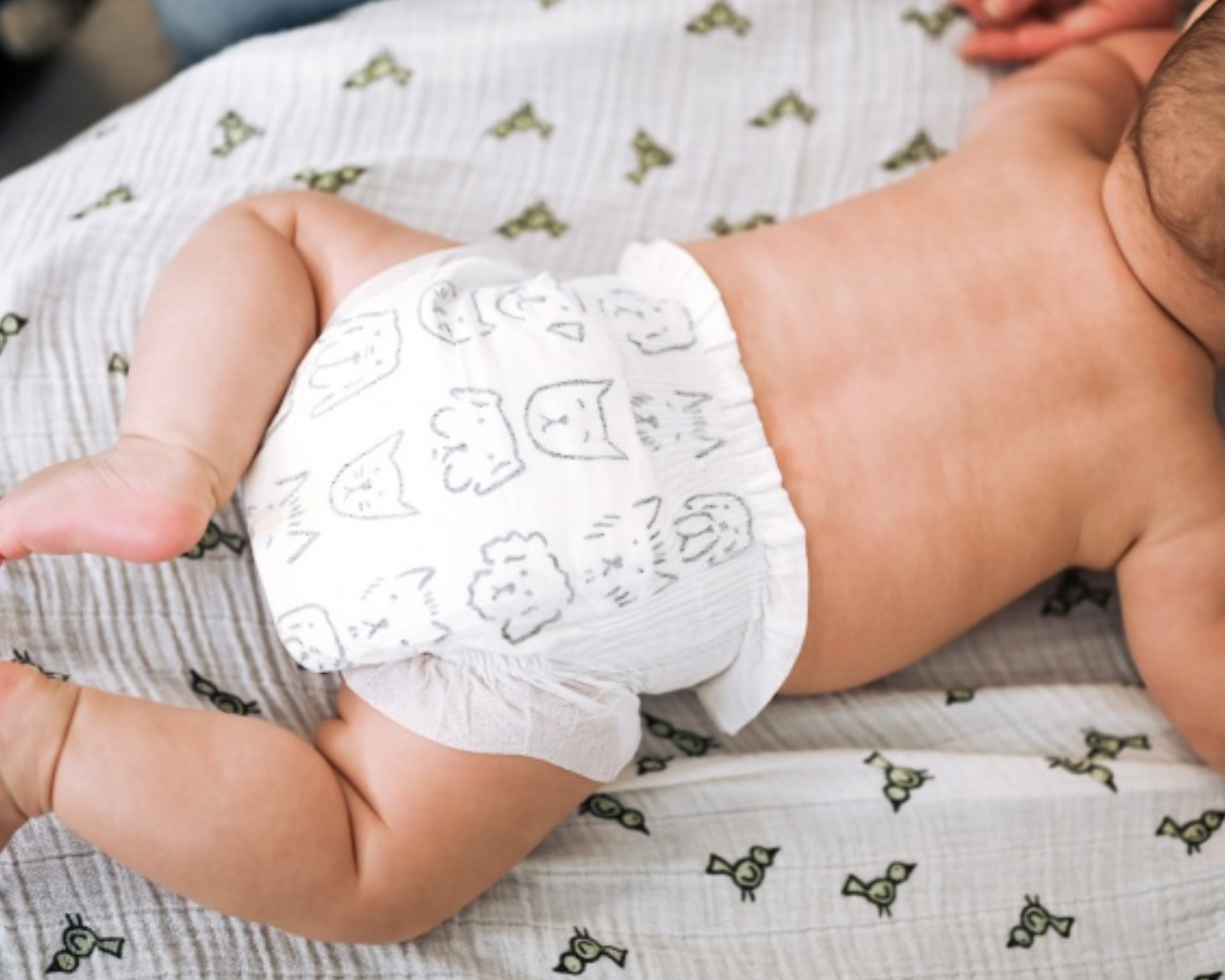
- Chlorine bleaching, which can create trace dioxins during manufacturing
- Synthetic fragrances, which may contain undisclosed ingredients linked to skin irritation
- Phthalates and parabens, often associated with hormone disruption concerns
- Petroleum-based lotions or coatings added unnecessarily
Think of it like reading a food label: fewer questionable ingredients, clearer sourcing, and no hidden extras.
As Jessica Hung, founder of Parasol Co., explains:
From day one as a mom to my two children, I felt that babies with sensitive skin needed an advocate and the diaper world needed an innovator. Irritating diaper rash brings babies to tears and leaves parents feeling helpless and often guilty.
That frustration is exactly why many modern diaper brands — including leaders like Parasol Co. — now clearly disclose what they don’t use, not just what they do. In today’s market, real transparency around ingredients and manufacturing practices is what separates genuinely non-toxic diapers from clever marketing claims.
The Non-Negotiables: What We’d Personally Look For
If you remember nothing else from this guide, remember this checklist:
1. Totally Chlorine-Free (TCF)
This is the gold standard. TCF diapers are bleached without chlorine, which means no dioxin byproducts during manufacturing.
2. Fragrance-Free (Actually Fragrance-Free)
That “baby smell” is marketing.
Fragrance formulas can hide hundreds of undisclosed ingredients, including phthalates.
3. No Lotions or Coatings
Lotions are often added to mask odors from cheaper materials. They’re unnecessary — and often irritating — especially for sensitive skin.
4. Clear Material Sourcing
Plant-based pulp, cotton, or bamboo blends are generally more breathable and gentler than petroleum-heavy plastics. And then there are the third-party certifications - the fastest way to separate real safety standards from marketing claims.
Certifications That Actually Mean Something
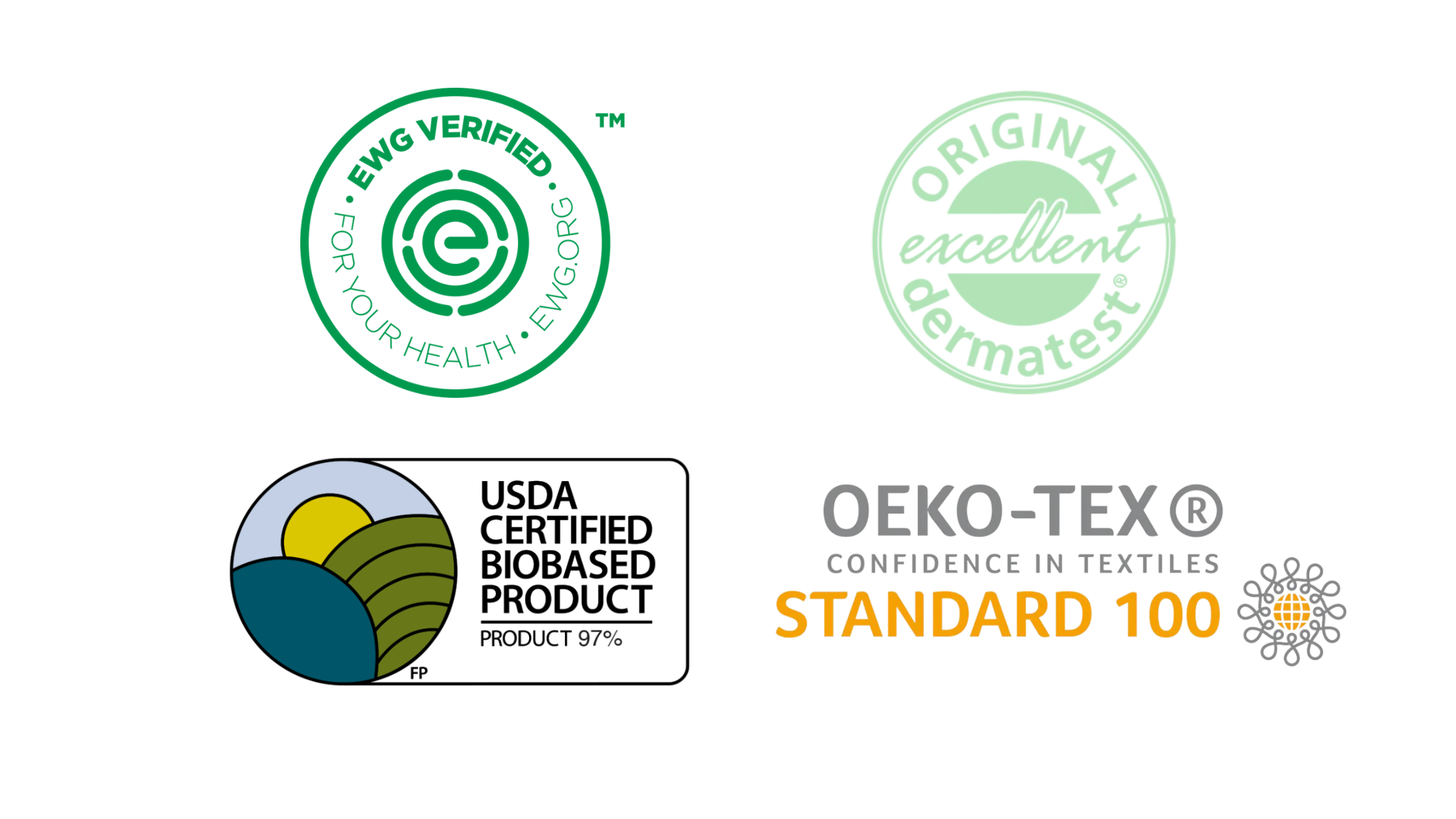
- OEKO-TEX® Standard 100 – Tests finished materials for harmful substances
- EWG Verified™ – Sets an extremely high bar for ingredient safety and transparency
- USDA Biobased – Indicates renewable, plant-based material content
- Dermatest® Excellence Seal – Independent dermatological testing for skin compatibility
Think of these seals as independent report cards. They mean someone outside the brand has verified the claims.
And parents are catching on. The demand for transparency is huge, with the global baby diaper market hitting USD 33.79 billion in 2024. The organic and non-toxic segment is leading that charge, growing at over 11% CAGR. This shift is driven by parents who are more aware than ever of chemical safety and are trying to avoid common issues like diaper rash, which can affect up to 50% of babies. Brands that earn trust with clear, verifiable certifications are the ones winning over modern families. You can discover more insights into the baby diaper market and see the trends for yourself.
Where Clean Ingredients Meet Real Performance
A diaper can be labeled “non-toxic” and still not perform well.
When choosing the best non-toxic diaper, clean ingredients are only half the equation. The diaper also has to work - overnight, on the go, and especially for babies with sensitive or rash-prone skin.
Because here’s the truth: most diaper rash isn’t random. It’s usually caused by two things: excess moisture and irritation from friction or harsh chemicals.
The best non-toxic diapers are designed to address both. And this is where a handful of brands are truly raising the bar.
Brands like Coterie, HealthyBaby, Hiro, Kudos and Parasol are leading this category not because they’re trendy, but because they’ve pushed the industry toward better materials, clearer standards, and more transparency.
Our Top 5 Non-Toxic Diapers (Editor Picked for Clean Ingredients + Performance)
1. Best Overall Non-Toxic Diaper: Parasol Clear+Dry Disposable Diapers
Parasol consistently lands at the top of our clean diaper lists for good reason — it focuses on skin comfort and simplicity. These diapers are totally chlorine-free, ultra-soft, breathable, and free of harsh chemicals, fragrances, lotions, and dyes that often irritate sensitive skin. Parents also appreciate the secure fit and moisture-wicking “RashShield” design that helps keep skin dry day and night. Parasol is a great choice if you want a gentle, straightforward non-toxic diaper that still does serious work on leaks and rash prevention. Plus, you can sleep easy knowing Parasol offers up to 12 hours of protection and preventing leakage.
2. Best Premium Non-Toxic Diaper: Coterie Diapers
When clean meets premium performance, Coterie shows up. Coterie’s diapers are hypoallergenic, dermatologist-tested, and made with plant-based materials, and they’re engineered to absorb fast and hold long — up to 12 hours of leak protection — without harsh additives like chlorine, fragrances, parabens, or phthalates. Independent lab testing and clear ingredient transparency make these a go-to for families who want peace of mind without sacrificing performance.
3. Best Cotton-Based Non-Toxic Diaper: Kudos Chlorine Free Cotton‑Lined Disposable Diapers
Kudos takes a slightly different approach by putting 100% cotton next to your baby’s skin, which many parents love for softness and breathability. The diapers are totally chlorine-free and intentionally simple — no lotions, fragrances, or phthalates — and certified to OEKO-TEX® standards. Thanks to two absorbent layers and cozy cotton topsheets, they balance comfort and performance without unnecessary chemicals or synthetic innards.
4. Most Innovative Non-Toxic Diaper: Hiro Diapers
Hiro is a newer, truly purpose-driven diaper that pushes clean design a step further: Hiro is the only unbleached diaper on the market, and an ultra-gentle build that’s dermatologist-tested and free of chlorine, dyes, and chemical wetness indicators. What sets Hiro apart is its focus on waste too — the brand’s MycoDigestible™ technology pairs diapers with a pouch of plastic-digesting fungi designed to speed breakdown in landfill conditions once the diaper is tossed (and never touches baby’s skin). It’s a real innovation if you care about both baby comfort and what happens after use.
5. Best Skin-First Diaper: HealthyBaby
HealthyBaby is a non-toxic diaper brand built around a brain-forward philosophy, prioritizing both neurological development and physical health from day one. HealthyBaby diapers are made without chlorine, fragrances, parabens, phthalates, lotions, or latex, and feature dermatologist-tested, hypoallergenic materials designed to be gentle on sensitive skin. A plant-based, antimicrobial topsheet and high-performance absorbent core help keep babies dry while reducing exposure to unnecessary additives.
Making Non-Toxic Diapers Work in Real Life (Starting with your registry)

Premium non-toxic diapers often come with a higher price tag — but that doesn’t mean they’re out of reach. It just means you need to be intentional about how you plan for them.
This is where your baby registry becomes more than a wish list — it becomes part of how you plan for everyday baby essentials.
Because diapers are consumable, they’re one of the most practical items you can add. With Poppylist baby registry, you can:
- Add any diaper brand, from anywhere
- Turn subscriptions into group gifts
- Delay deliveries so you’re not drowning in newborn sizes
From there, you can take it one step further:
- Subscribe and Save: Nearly every brand offers a subscription model that comes with a nice discount, usually 10-20% off. It saves you money and the panic of a late-night diaper run.
- Try a Hybrid Approach: You don’t have to use the priciest diapers 24/7 — mixing in a more affordable “cleaner” option here and there can help manage costs while still prioritizing safer materials.
A Quick Reality Check
Your baby’s skin is their largest organ — and diapers are in constant contact with it. That doesn’t mean you need to panic. It simply means that small, intentional choices can add up over time. Choosing a non-toxic diaper isn’t about being “crunchy” or chasing perfection — it’s about minimizing unnecessary chemicals, supporting sensitive skin, and finding an option that fits your real life. The best non-toxic diaper is the one that keeps your baby dry and comfortable, works within your routine and budget, and lets you sleep at night without second-guessing what’s against their skin.
So as you build your Poppylist Baby Registry, think beyond the one-time gifts. Add the diapers you genuinely want to try. Start a diaper fund. Give yourself the flexibility to figure out what works best — because informed, intentional choices today make everyday life a little easier tomorrow.
TL;DR:
- Parasol = smartest buy
- Coterie = luxury buy
- Hiro = forward-thinking buy
- Kudos = comfort-first buy
- HealthyBaby = clean-ingredient buy
So, which one are you picking for your baby? But if you're asking us, Parasol's already in our diaper bag!