

This article was created in paid partnership with LOLA, a brand I wish I'd known about when I was recovering from Amelia's birth. The stories here are my own, and I only share products I believe in.
Everyone asks about the birth plan
A few days after I brought my first daughter, Amelia, home from the hospital, I sat down on the toilet and realized the toilet paper was on the tank behind me. I couldn’t reach it. Every inch of my body hurt, and twisting around felt impossible.
It’s a small moment, but I think about it often. I had spent months planning for Amelia: the car seat, the nursery, the stroller, the hospital bag, the birth plan. I had not spent five minutes thinking about what I would need once I got home. Nobody had told me to make sure everything I needed was in front of me, within arm’s reach.
Before a baby arrives, everyone asks about your doctor, your nursery, your registry and your birth plan. Far fewer people ask the question that matters just as much: what’s your plan for the days and weeks after birth?
I’m a mom of two now. Amelia is 7 and Zoey is 4. I went through postpartum recovery without a plan, so I want to help you make one. Postpartum care deserves the same intention we give to birth, because moms deserve to be planned for, too.
Why postpartum care is still an afterthought
Most baby preparation is about the baby, and that makes sense. A newborn needs a safe place to sleep, a way to eat and a car seat to get home. The registry fills up with bottles, monitors and swaddles.
But somewhere along the way, birth starts to feel like the finish line. In reality, it’s the start of another physically demanding stretch. Your body is healing while you learn to care for a brand-new person on very little sleep.
Many of us don’t know what postpartum recovery will actually involve until we’re in it. So the basics for bleeding, comfort and healing get bought in a rush, often by a partner standing in a drugstore aisle at 9 p.m. I know, because I didn’t register for a single postpartum product.
It turns out I wasn't the only one who noticed that gap. The team at LOLA saw it firsthand, too.
"As members of our team at LOLA went through pregnancy and postpartum, we realized something: everyone (including mom) is prioritizing baby’s safety, but no one is prioritizing mom’s safety. We saw a clear gap to fill in ensuring mom has easy access to comfortable postpartum products, like pads and underwear, made with clean ingredients for peace of mind during this vulnerable life stage." Kelly Murphy, LOLA General Manager
How to prepare for postpartum: start thinking beyond the birth plan
A postpartum care plan doesn’t need to be complicated. It’s a short list of answers you work out before the baby arrives, ideally with your partner or the people who will be helping you. Start with these questions:
- What will I need physically? Think pads, underwear, comfortable clothes and whatever helps you sit, sleep and move.
- Do I trust what I’m putting on my body? Postpartum products sit against healing, sensitive skin for weeks. It’s worth knowing what they’re made of before you buy them.
- What should already be at home? Stock it before your due date so no one is running out for supplies.
- What should be within arm’s reach? Set up a basket in each bathroom and next to where you’ll feed the baby. Put it in front of you, not behind you. Trust me on this one.
- Who can help me, and with what? Meals, laundry, older siblings, pets, a shower while someone holds the baby.
- What can my partner take off my plate? Be specific. “Help more” is hard to act on. “You handle every diaper change overnight this week” is not.
- Who do I call if something doesn’t feel right? Save your provider’s after-hours number in your phone and your partner’s phone.
- How will we check in on how I’m feeling, emotionally? More on this below. It’s the part of my plan I wish I’d had most.
Postpartum recovery after birth: what your body may need
Every recovery is different. It depends on your body, your birth and whether you had a vaginal or cesarean delivery. What follows is a general overview, not medical advice, and your provider is always the best person to ask about your own recovery.
Postpartum bleeding isn’t the same as your normal period
After birth, almost everyone has postpartum bleeding, called lochia. It happens after both vaginal and cesarean births as the uterus heals. It’s usually heaviest in the first few days, then gradually gets lighter and changes color over the following weeks. For many people it tapers off within about six weeks.
That’s why your usual period products may not cut it. Early on, you’ll likely want more absorbency and longer coverage than a typical period. Later, your needs get lighter, and comfort matters just as much as capacity.
Your provider will tell you which signs mean you should call right away. Commonly cited warning signs include soaking through a pad in an hour or less, or passing clots larger than an egg. If something feels off, call. You are never bothering anyone.
Your mind needs a postpartum plan, too
This is the part of my story I almost didn't include. When Amelia was about six months old, I developed postpartum depression. At its worst, I had thoughts of suicide. I didn't want to die, but I couldn't see a way out of the situation I was in. Combined with sleep deprivation, it felt like I was moving through life with quicksand under my feet.
One of the first signs was that I stopped taking care of myself in the most basic ways, like brushing my teeth and washing my face. I just stopped.
Once I had the courage to tell my husband, he went into action and helped me find my therapist.
I'm sharing this because of what I wish I'd done before Amelia was born: learn about baby blues and postpartum depression together with my partner. What are the signs? When does it usually happen? What do we do if one of us notices something? We had a plan for the car seat. We didn't have a plan for this.
If you're not sure whether what you're feeling needs support, here are the signs it's time to talk to a therapist.
Here's what I wish we had known:
- Baby blues are common and usually short. Many new parents feel weepy, anxious or overwhelmed in the first days after birth. This typically starts a few days in and eases within about two weeks.
- Postpartum depression is different, and it’s common too. It lasts longer, feels heavier and can make it hard to function. Roughly 1 in 7 new mothers experience it.
- It doesn’t always show up right away. Postpartum depression can begin any time in the first year after birth. Mine showed up at six months, long after anyone was asking how I was doing.
- Partners can be affected, too. Non-birthing parents can experience postpartum depression and anxiety as well.
- Hygiene: Stopping basic self-care, like showering or brushing your teeth, is a signal worth paying attention to.
- Signs worth talking about include sadness or hopelessness most days, losing interest in things you usually enjoy, intense anxiety or racing thoughts, trouble sleeping even when the baby sleeps, feeling disconnected from your baby, or thoughts of harming yourself or your baby.
Make this part of your postpartum plan:
- Read up on the signs together before your due date.
- Agree on a phrase either of you can use to say “I’m worried about you” or “I’m not okay.”
- Decide now who you’ll call first: your OB, midwife or primary care provider. Save the numbers below in both of your phones.
- Keep checking in past the six-week appointment. The first year counts.
If you’re having thoughts of harming yourself, please reach out now. In the U.S., you can call or text the National Maternal Mental Health Hotline at 1-833-852-5262 (1-833-TLC-MAMA), available 24/7, or call or text 988, the Suicide & Crisis Lifeline. Postpartum Support International also offers a HelpLine at 1-800-944-4773. If you’re in immediate danger, call 911.
Postpartum recovery essentials worth having before you need them
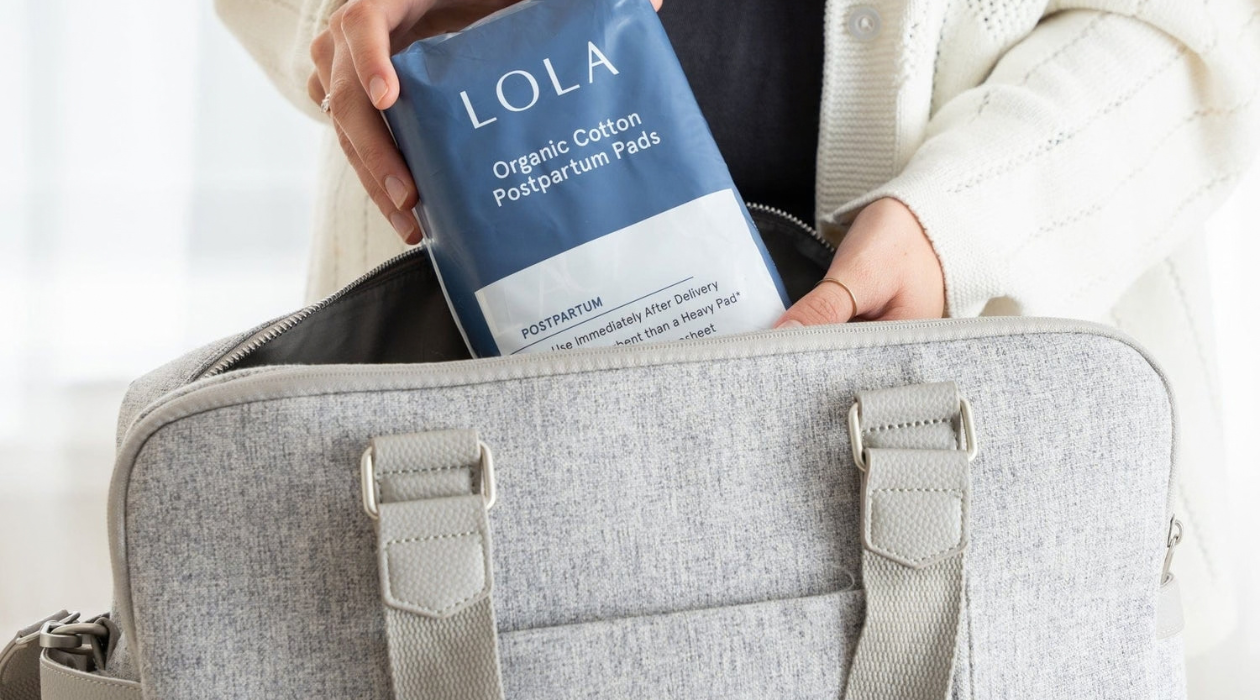
You don’t need a giant postpartum checklist. You need a handful of things ready at home, and a few in your hospital bag, so nobody is panic-buying after delivery. Here’s what I’d have ready:
- Postpartum pads in more than one absorbency, since bleeding changes over the first weeks.
- Postpartum underwear, either disposable for the earliest days or reusable for later recovery.
- Comfortable clothing: loose, high-waisted bottoms, soft robes and front-opening tops if you plan to nurse.
- Peri-care products, such as a peri bottle for gentle rinsing. Ask your provider what they recommend for your recovery.
- Feeding support, if relevant: nursing bras, nipple balm or breast pads.
- Hydration: a big water bottle with a straw you can drink from one-handed.
- Easy-access household basics: snacks, phone chargers, toilet paper and wipes, stocked in front of you, where you can reach them.
For your postpartum hospital bag essentials, pack a few days of pads and underwear, a going-home outfit that fits your body now, and your own toiletries.
What to look for in postpartum pads and underwear
Before you pick a brand, it helps to know what actually matters in postpartum products for mom.
- Absorbency. Your needs will change. Heavier protection matters most early on, and lighter options take over as bleeding slows.
- Coverage. Longer, wider coverage can help during heavier bleeding, especially when you’re lying down a lot.
- Comfort. Postpartum skin and tissue can be especially sensitive. Softness and breathability matter.
- Materials. These products sit directly against your skin for hours at a time, for weeks. It’s reasonable to want to know what they’re made of.
- Ingredient transparency. Historically, period and postpartum products haven’t always made ingredient information easy to find or understand. Look for brands that tell you clearly what’s in their products, and what isn’t.
That last point is a big part of why I wish I’d known about LOLA.
LOLA postpartum pads: designed for each stage of recovery
Postpartum bleeding isn't one steady thing. It's heaviest in the first days after birth and gradually lightens over the weeks that follow. LOLA's postpartum pads are designed around that change, so you have the right level of protection at each stage instead of making do with ordinary period pads.
Every pad has a 100% organic cotton topsheet, the layer that sits directly against your skin, and is fragrance-free.
LOLA underwear: comfort for the weeks that follow
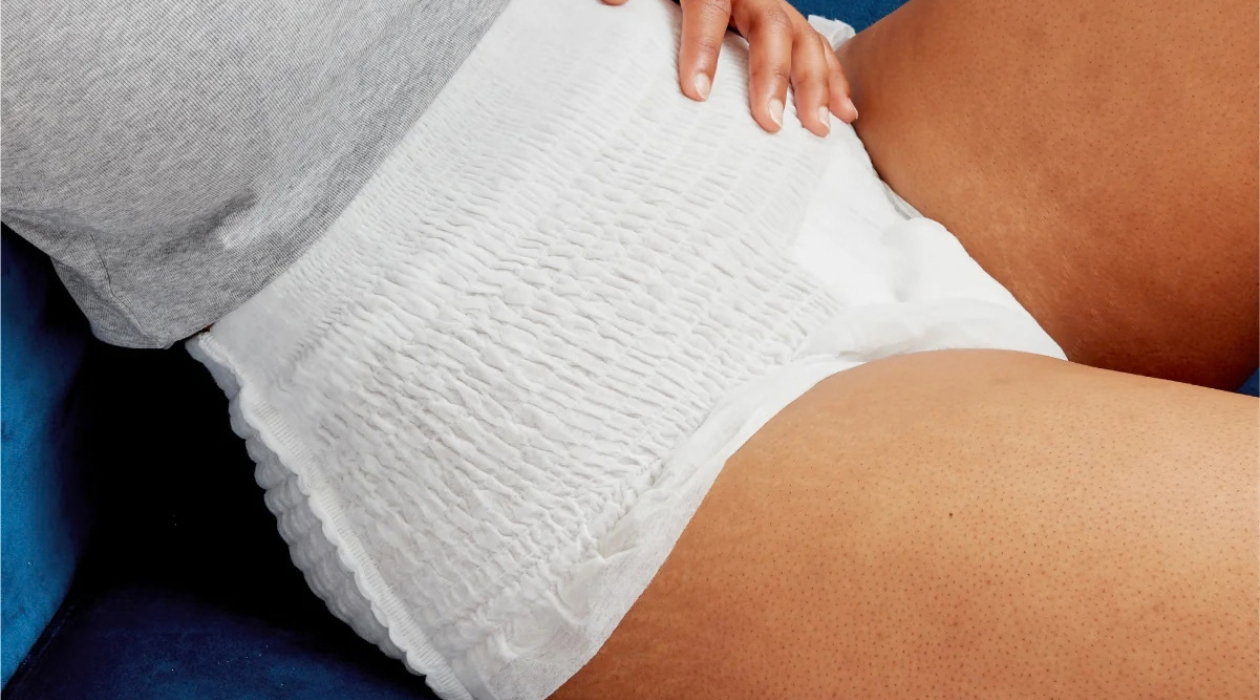
Recovery doesn't end when you leave the hospital, and your needs will change as you heal. LOLA makes underwear for both stages.
For the first days and weeks: LOLA's disposable postpartum underwear is a great thing to have stocked at home before the baby arrives, so you're not relying on whatever the hospital sends you home with. Each high-waisted pair has a built-in, highly absorbent pad with a 100% organic cotton topsheet, giving you dependable protection against leaks. One size fits most.
As bleeding slows: Many moms want something that feels more like their own underwear again. LOLA's reusable period underwear is designed for that stage. It's made with soft, breathable GOTS-certified organic cotton against the skin and is designed for maximum absorbency without bulk. It's made without parabens, synthetic dyes and fragrances. Because it's washable and reusable, it's a practical choice you'll keep using long after postpartum.
More reasons to love LOLA's postpartum pads and underwear:
- Postpartum Pads and Underwear: 100% organic cotton topsheet; made without fragrances, chlorine, parabens, toxins, dyes, or fragrances.
- Certifications/testing: LOLA references GOTS and OEKO-TEX® STANDARD 100 in its postpartum safety guidance, as well as third-party testing through SGS.
- Absorbency: 3× more absorbent than their heavy pads
Why LOLA prioritizes ingredient transparency
When you're recovering from birth, the products you're using sit against some of the most sensitive skin on your body. Yet most of us have never stopped to ask what those products are made of.
"Over a decade ago, our founders asked themselves whether they knew what was in the period care products going in and on the most intimate parts of their bodies, and discovered that none of us had any idea," says Murphy. "LOLA was built on the principle that we deserve to know exactly what ingredients are in our period and postpartum care so we can make informed decisions about our health and safety, and that legislation should support this right. We know what's in our skincare, our baby's food, our protein snacks. Why don't we hold our own reproductive wellness to the same standard?"
That question stuck with me. When I was recovering from Amelia's birth, I didn't have the energy to research every product. Being able to get everything I needed from one trusted brand, with clear ingredients, would have been one less decision on a very long list.
Put mom on the registry, too
A baby registry naturally fills up with bottles, strollers, diapers and nursery gear. But some of the most useful things in those first weeks are the products for the person who just gave birth.
I didn’t register for any postpartum products, and I wish I had. Pads and underwear can feel too personal for a list your friends and family will see, but they’re exactly what you’ll reach for first. The people who love you want to help, and this is a real way to do it.
Your postpartum care plan doesn’t need to be elaborate. Sometimes it starts with making sure the things you’ll need are already there, right in front of you, before you need them.
Preparing for postpartum? Add LOLA postpartum essentials to your Poppylist registry so the products you’ll need after the baby arrives are already taken care of.